

· By Zoey Nichols
Easter Eggs Explained: A Deep Dive into Their Historical Journey
In the vibrant tapestry of Easter, amidst the echoes of rebirth and spring’s fresh bloom, lies a tale as rich and intricate as the finest chocolate, the story of the beloved chocolate Easter egg. Here at Harry Specters, where change, innovation, and the art of chocolate converge, we invite you on a delectable voyage through time, exploring the transformation of the Easter egg from a symbol of new life to the chocolate masterpieces we cherish today.
From Ancient Roots to Chocolate Delights
Eggs have represented life, creation and renewal in cultures around the world for centuries, including richly decorated eggs used in Egypt as symbols of death and rebirth. Within Christianity, decorated eggs became associated with the resurrection of Jesus and were established as an Easter tradition by the Middle Ages. Over time, these decorated eggs helped inspire the edible chocolate versions we exchange today.

Much like the ancient Egyptians, we also love using rich, golden colours to decorate our eggs. This gives both our Golden and Swirly eggs an extra touch of luxury.
Egg Rolling: A Tradition of Joy and Renewal
The tradition of egg rolling embodies the essence of renewal and life, tracing its roots back to ancient traditions symbolizing the rolling away of the stone in front of Christ's tomb. The tradition is celebrated at the annual Washington Easter Egg Roll first held on the White House grounds in 1878. Held on the White House's grounds, this event, which is attended by members of the American President's family, encapsulates the joy of spring, unity, and the simple pleasures that connect us all.
The Chocolate Revolution Begins
As the 19th century dawned in Europe, amidst the lush landscapes of France and Germany, the first chocolate Easter eggs were born. Initially solid and a luxury afforded by few, these early chocolate creations were a far cry from the smooth and sumptuous treats we relish today. The journey of chocolate from a coarse, bitter luxury to the velvety delight that graces our Easter baskets was propelled by innovation and the relentless pursuit of perfection.
The turning point came with the invention of a miraculous press by Dutch inventor Coenraad Johannes van Houten in 1828, revolutionizing the way chocolate was made and marking the dawn of a new era in confectionery by allowing the cocoa butter to be separated from the cocoa bean. This, followed by Cadbury Brothers' introduction of pure cocoa, transformed chocolate into an art form, laying the groundwork for the creation of hollow chocolate eggs that would captivate taste buds and hearts alike.
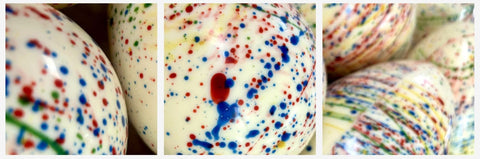
The later invention of white chocolate in the 1900s allowed our vibrant Rainbow egg to exist alongside it's dark and milk chocolate cousins.
Pioneers of the Chocolate Easter Egg
At the heart of this chocolate renaissance stood J.S Fry, which produced the country’s first chocolate egg in 1873. These early hollow eggs were made from dark chocolate, with Cadbury introducing its own dark chocolate Easter egg two years later.
When Cadbury Dairy Milk launched in 1905, its creamier milk chocolate recipe helped make chocolate Easter eggs even more widely loved, turning them into the festive favourites we recognise today.
A Celebration of Renewal and Community
Today, the chocolate Easter egg is a tapestry of flavours, textures, and stories, each egg a testament to the journey from simple beginnings to complex creations. From large eggs often given as gifts, to mini Easter eggs used in fun family Easter egg hunts, the options are endless. In every bite, we taste the joy of discovery, the warmth of community, and the thrill of innovation. The giving and sharing of these chocolate treasures weave together traditions of renewal, joy, and the collective spirit of Easter.

Mini eggs make a perfect addition to your Easter egg hunt, and ours come in three mouth watering flavours: sea salt caramel, strawberry cheesecake, and dark chocolate truffle.
Our Champions of Change, Shape the Future with Every Bite
At Harry Specters, every chocolate Easter egg is a testament to our shared journey towards change and diversity, championed by you, our esteemed customers. Your engagement transforms our chocolates from edible works of art into symbols of hope and renewal, mirroring the spirit of Easter and the promise of a future crafted with care, inclusivity, and innovation.
This Easter, we extend our heartfelt gratitude to you, our champions of change, for your unwavering support and for inspiring us to keep pushing boundaries. Your choice to be part of our story helps us to not only create exquisite chocolates but also to weave a narrative of positive impact and communal growth. Together, we're not just enjoying the finest chocolates; we're also forging a path towards a more inclusive and vibrant tomorrow.
Shop for Easter
Share:
0 comments
View
Hide
0 comments
View HideFAQs
Find frequently asked questions here